Understanding Intermountain West Soil
Soils here are often mineral-based, with two main challenges: structure and pH.
- Clay Soil: Dense, sticky when wet, and compact when dry. Rich in nutrients but poor in drainage.
- Sandy Soil: Gritty, drains too quickly, and struggles to retain moisture.
A simple squeeze test can help identify your soil type. Alkaline soils (pH 7.5+) are common and can lock up nutrients, causing deficiencies like yellowing leaves. Test your soil to understand its pH and nutrient content.
Choosing the Right Amendments
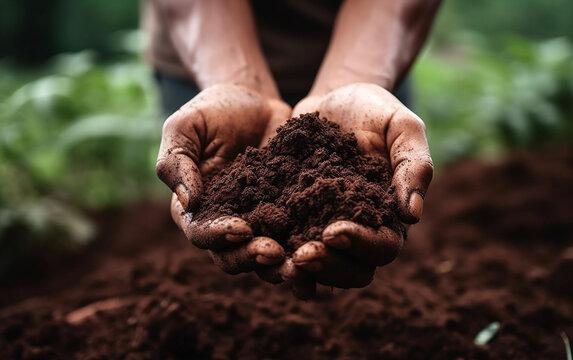
The goal is balanced, loamy soil. Organic matter is key for improving both clay and sandy soils.
- Top Organic Amendments: Compost, aged manure, peat moss, leaf mold, and biochar.
- Inorganic Options: Elemental sulfur (to lower pH), perlite, vermiculite, and gypsum (for heavy clay).
Practical Soil Preparation Plan
- Test Soil (Fall): Identify pH and structure.
- Apply Amendments (Fall): Spread 2-4 inches of compost, manure, or leaves. Add sulfur if needed.
- Incorporate Amendments: Gently mix into the topsoil or leave as a layer for no-till gardening.
- Top Up (Spring): Add 1-2 inches of compost before planting.
- Mulch and Maintain: Use straw, wood chips, or grass clippings to retain moisture and suppress weeds.
Building a Resilient Garden
Amending soil is an ongoing process, but the rewards are worth it. Healthy soil reduces water use, minimizes pests, and boosts harvests. With consistent effort, you can transform challenging soils into rich, productive loam.
